Ada
★★★☆☆
 |
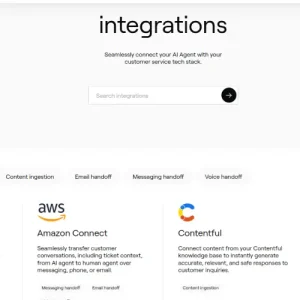 |
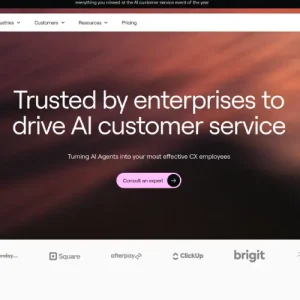
Ada (Ada CX) emphasizes low-code chatbot creation and customer self-service automation. Its ease of deployment is a benefit, but the tradeoff is limited sophistication. Ada can handle typical FAQs, but struggles with edge cases. Its scaling to complex, dynamic interactions demands significant developer support. Ideal for driving volume deflection, less so where nuance or depth is required.
References:
ChatGPT
★★★★★
 |
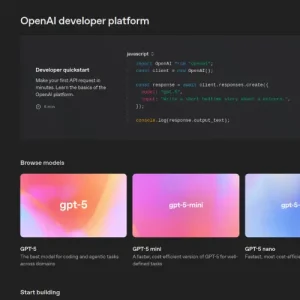 |
ChatGPT offers versatility and fluent language generation, making it ideal for broad conversational tasks. Yet, it also struggles with hallucinations and consistency in domain-specific dialogue. Its strength lies in general purpose use, but accuracy and factual reliability are harder to guarantee. For businesses needing precise, mission-critical chatbot behavior, the risks of drift and unsupported contexts make ChatGPT a less reliable option on its own.
References:
Drift
★★★☆☆
 |
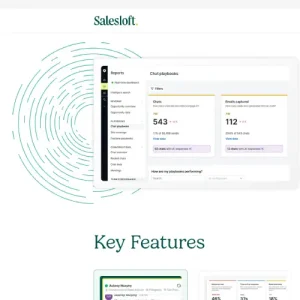 |
Drift is built around conversational marketing and excels at lead qualification via chat. Its strength is domain-focused engagement, but that narrow purpose also limits broader conversational depth. The AI logic lacks flexibility for off-script queries, and customization is constrained. For sales and marketing use, Drift is sharp, but it lacks the general purpose strength businesses often seek in full chatbot systems.
References:
Google Dialogflow
★★★★☆
 |
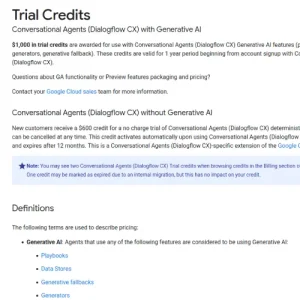 |
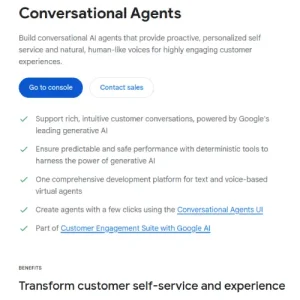
Dialogflow delivers intuitive design with seamless integration into Google Cloud and robust intent management. Yet it shows limitations handling complex conversation flows or domain-specific nuance. Its strength in quick prototyping is offset by scaling difficulties. The rigid framework can hinder custom logic and deep control — making it better for standard bots than for highly specialized, adaptable conversational agents.
References:
IBM Watsonx Assistant
★★★☆☆
 |
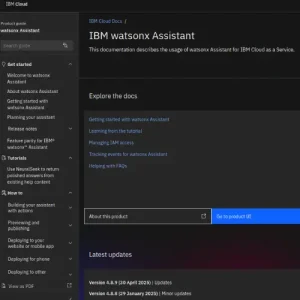 |
Watson Assistant presents solid enterprise features, strong dialogue orchestration, and tools for governance and analytics. But its user experience and flexibility lag behind more modern frameworks. It often feels heavyweight, and implementing highly creative or unconstrained conversations becomes burdensome. Best suited where control and compliance matter most, though innovation may require extra engineering.
References:
Intercom Fin AI
★★★★☆
 |
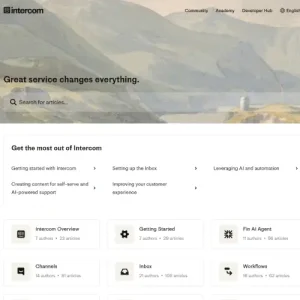 |
Intercom Fin AI (Intercom) combines customer support flows with AI help, streamlining support and information delivery. Yet its ability to handle deep or unexpected dialogues is limited. Its modular nature is good for support funnels, but it underperforms when users deviate. It’s strong in structured support settings, but not intended as a fully flexible conversational AI for open domains.
References:
Kore.ai
★★★★☆
 |
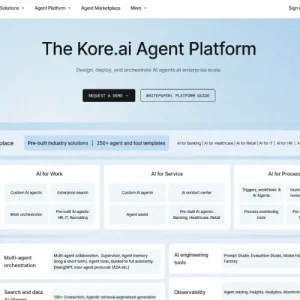 |
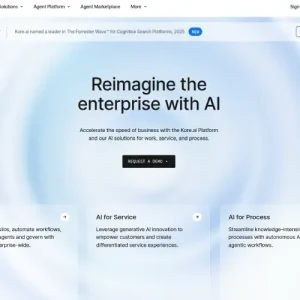
Kore.ai offers robust enterprise conversational AI capabilities, supporting multi-channel deployment and advanced domain modelling. Yet it comes with steep complexity and price. Setup and governance overhead can slow time to value. For large organizations with clear scope and resources, Kore shines; for smaller firms wanting speed and agility, its weight may be overkill.
References:
Microsoft Copilot Studio
★★★★☆
 |
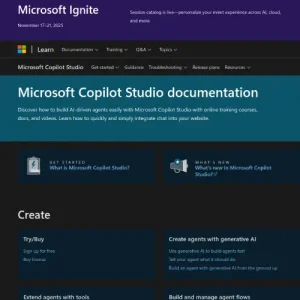 |
Copilot Studio (Microsoft) packs strong context awareness and co-authoring capabilities for dialog agents. Its integration with Microsoft’s ecosystem is a plus. However, it is relatively immature as a chatbot builder and lacks flexibility outside that ecosystem. Customizing nonstandard flows or behavior often demands workaround hacks. For organizations tied to Microsoft, it’s useful, but others may find it too restrictive.
References:
Rasa
★★★★☆
 |
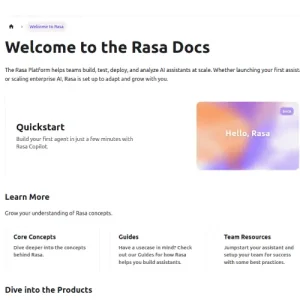 |
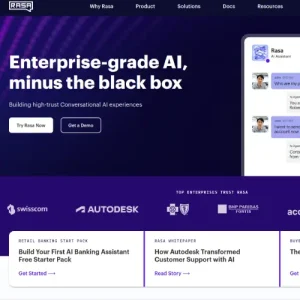
Rasa is developer-centric and gives maximum control over conversation logic, data privacy, and customization. Its open-source roots impress those needing full control. But it demands strong engineering investment. The learning curve and maintenance burden are nontrivial. For technical teams, Rasa is powerful. For nontechnical or quick-launch use cases, it may be too heavy a lift.
References:
Tidio Lyro AI
★★★☆☆
 |
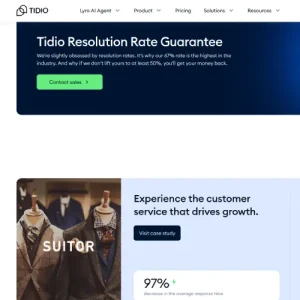 |
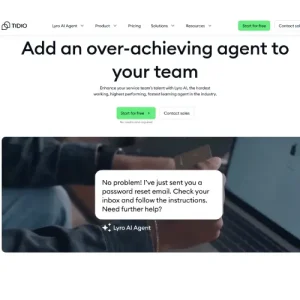
Tidio Lyro blends chatbot + live chat nicely, focusing on small to medium businesses. It provides practical automation, but the AI itself is shallow. Handling complex context or nonstandard user paths is weak. It shines when volume is moderate and requirements are straightforward, but as conversational complexity grows, limitations appear. Its cost-efficiency is an asset in early stage setups.
References:

 Cavianto