Automation Anywhere
★★★☆☆
 |
 |
Automation Anywhere provides a robust automation suite with advanced RPA and Process Reasoning Engine that orchestrates complex workflows across multiple systems. While these strengths make it attractive for enterprises, the platform can feel overly complex for smaller teams, with a steep learning curve and higher cost of ownership. Its limited flexibility in integrating with niche tools further challenges adoption, making it powerful yet primarily tailored to large organizations.
References:
IFTTT
★★★☆☆
 |
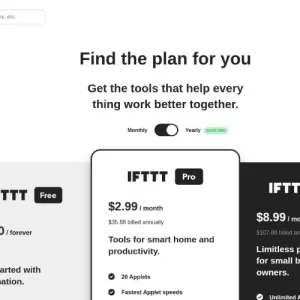 |
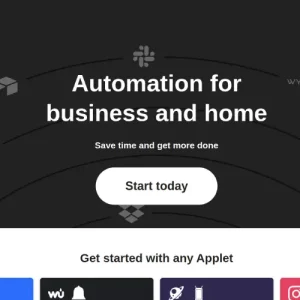
IFTTT (If This Then That) is a no-code automation tool with a large library of over 900+ app & device integrations, ideal for setting up simple, conditional workflows (“applets”) without technical expertise. It excels at ease of use, strong smart home support, and quick task-automation for individuals. However, advanced workflows are limited, some features are locked behind paid tiers, and reliability/lag issues can frustrate frequent users.
References:
Kryon
★★★☆☆
 |
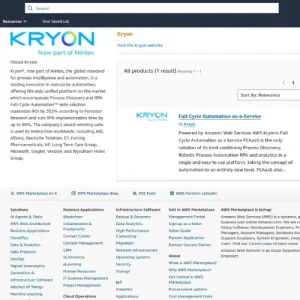 |
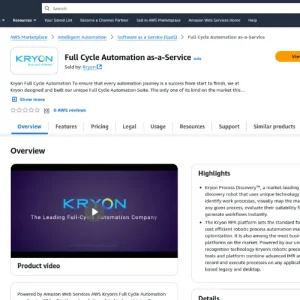
Kryon offers a Full-Cycle Automation Suite that uniquely combines Process Discovery, analytics, and RPA deployment in a single platform. It supports both attended and unattended bots, excels at integrating NLP, OCR, and no-code development tools, enabling substantial efficiency gains. However, pricing is opaque, implementation demands technical expertise, and its learning curve may deter smaller teams.
References:
Make
★★★★☆
 |
 |
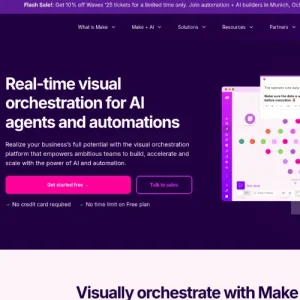
Make.com delivers a powerful visual scenario builder with conditional logic, data transformation tools, extensive app integrations, and competitive operation-based pricing. Its interface enables multi-step workflows well suited to businesses of moderate‐to-high automation needs. However, the steep learning curve, sometimes dense UI, and limited responsiveness of support for lower-tier users may reduce accessibility. Great value if you invest time; less ideal for simple tasks.
References:
Microsoft Power Automate
★★★★☆
 |
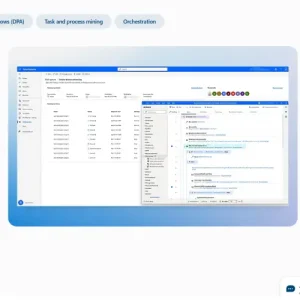 |
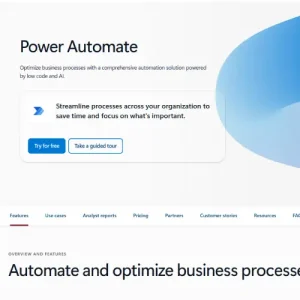
Microsoft Power Automate excels with its low-code/AI-infused automation, boasting over 1,000 connectors, built-in process and task mining, strong integration across Microsoft 365, and powerful governance tools. However, it tends to impose complex licensing tiers, can be expensive for small teams, and has a steep learning curve for non-technical users. Also, reliance on Microsoft ecosystem can limit flexibility outside it.
References:
Pega
★★★☆☆
 |
 |
Pega Platform offers a powerful, enterprise-grade solution combining low-code development, AI decisioning, BPM/case management, and robust integration with legacy & external systems. Its visual tools and real-time analytics support collaboration between business & IT, accelerating transformation in complex environments. However, there is a steep learning curve, high licensing and maintenance costs, slower implementation times, and limited community/documentation compared to lighter competitors.
References:
SS&C Blue Prism
★★★☆☆
 |
 |
Blue Prism delivers a strong agentic AI / RPA platform with cloud-native, enterprise-grade features and excellent governance, security, and scalability. The offering includes process intelligence, automation orchestration, AI-enabled document processing, and well-defined operating models. However, like many enterprise tools, it demands substantial operational overhead, costly implementation, and a steep learning curve. Ideal for large organisations; overkill for smaller teams.
References:
UI Path
★★★★☆
 |
 |
UiPath’s agentic service introduces intelligent, autonomous agents capable of planning, acting, and adapting workflows using AI, machine learning, and orchestration tools. Users highlight its ease of use, wide integrations, and ability to manage complex processes involving AI agents, robots, and humans. The main drawbacks are a steep learning curve for beginners and higher costs for some businesses. Overall, it provides powerful, adaptive automation with strong enterprise value.
References:
- UiPath Agentic Workflows
- UiPath Documentation on Agents
- User Reviews on G2
- UiPath CEO Interview – The Verge
Workato
★★★★☆
 |
 |
Workato offers enterprise-grade iPaaS with a wide library of pre-built connectors, strong security and governance, and excellent automation through its intuitive drag-and-drop UI. Users praise its ability to scale, integrate complex workflows, and support both technical and non-technical teams. However, the platform comes with a steep learning curve, high pricing, and setup complexity that can make it impractical for smaller organisations.
References:
Zapier
★★★★☆
 |
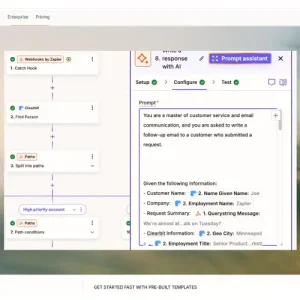 |
Zapier offers a no-code workflow automation tool with an intuitive interface, vast app integrations (6,000+), pre-built templates, conditional logic, and multi-step “Zaps” to connect diverse tools without coding. However, its pricing escalates quickly for higher task volumes, advanced features often locked behind premium tiers, and documentation/support can lag for complex workflows. Beginners may face steep learning with logic paths and workarounds.
References:

 Cavianto